
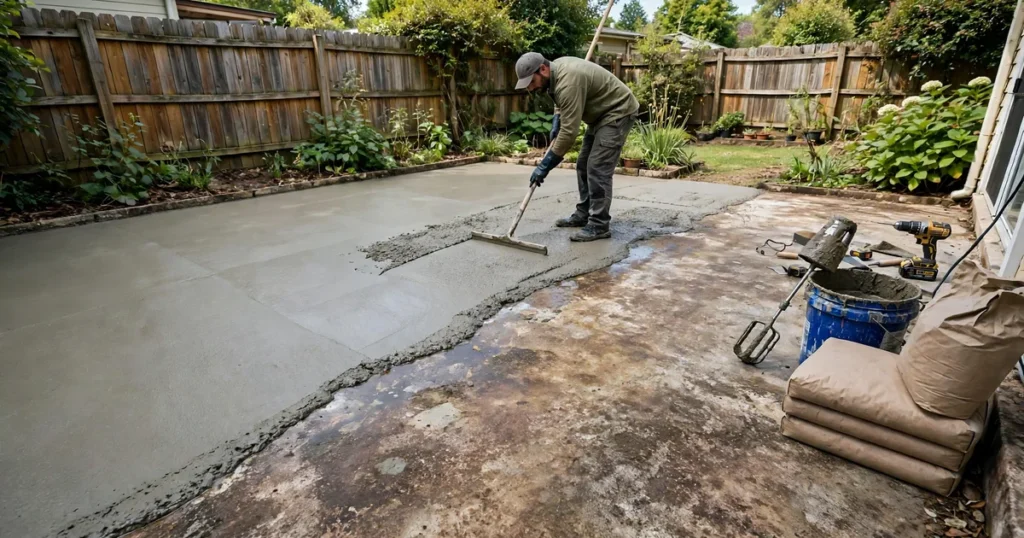
How to Skim Coat Concrete: Patios, Floors and Over Old Concrete
Learn how to skim coat concrete patios and floors: right products, prep steps, coverage maths, temperature limits and honest limits of skim coats.
DIY concrete project guides: footings, common mistakes to avoid, and step-by-step instructions for home concrete work.
Learn how to skim coat concrete patios and floors: right products, prep steps, coverage maths, temperature limits and honest limits of skim coats.
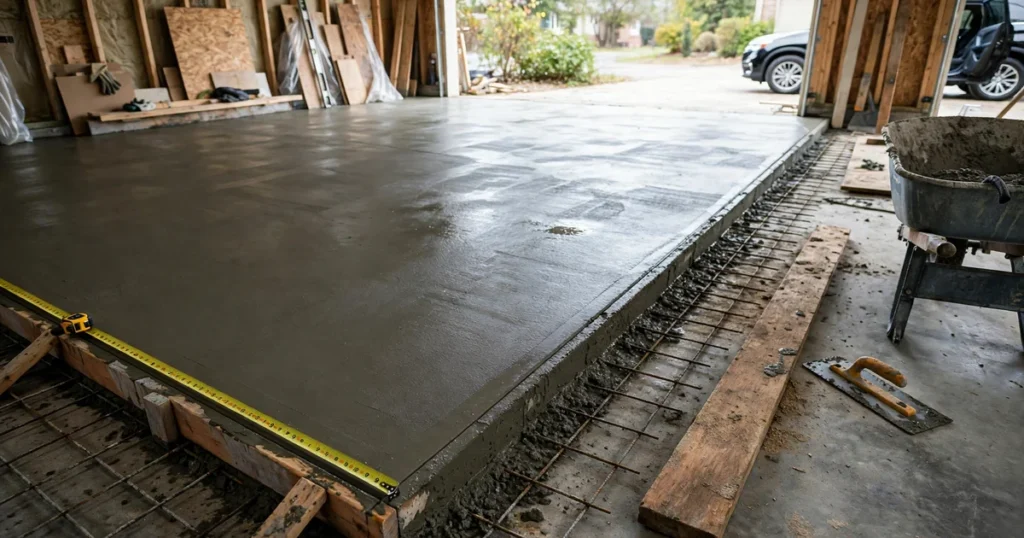
How thick should a concrete garage floor be? 100mm (4 in) at 3000+ psi suits cars; 150mm for heavy loads. Codes, quantity maths and pour-day rules.
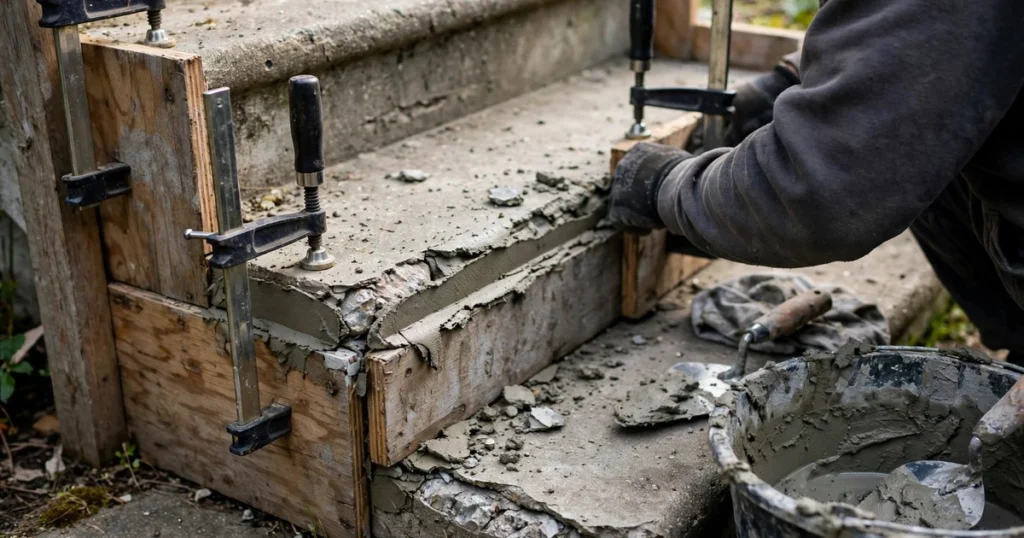
Repair crumbling concrete steps: cut back to sound concrete, V-groove the edge, build timber forms and rebuild with repair mortar. Material matrix and steps.
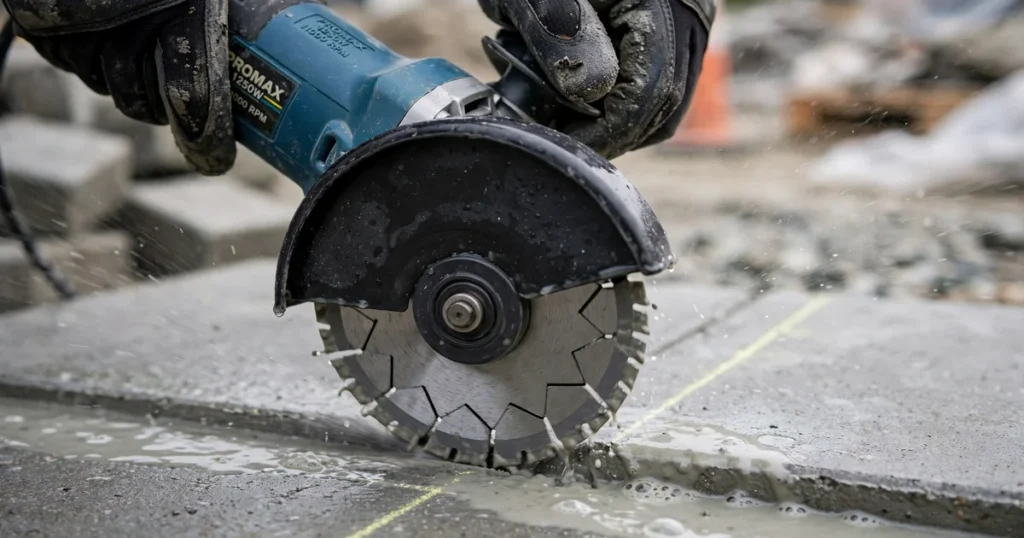
Learn how to cut concrete with an angle grinder: the right diamond blade, wet vs dry, OSHA silica dust rules, depth limits, slurry disposal and kickback safety.
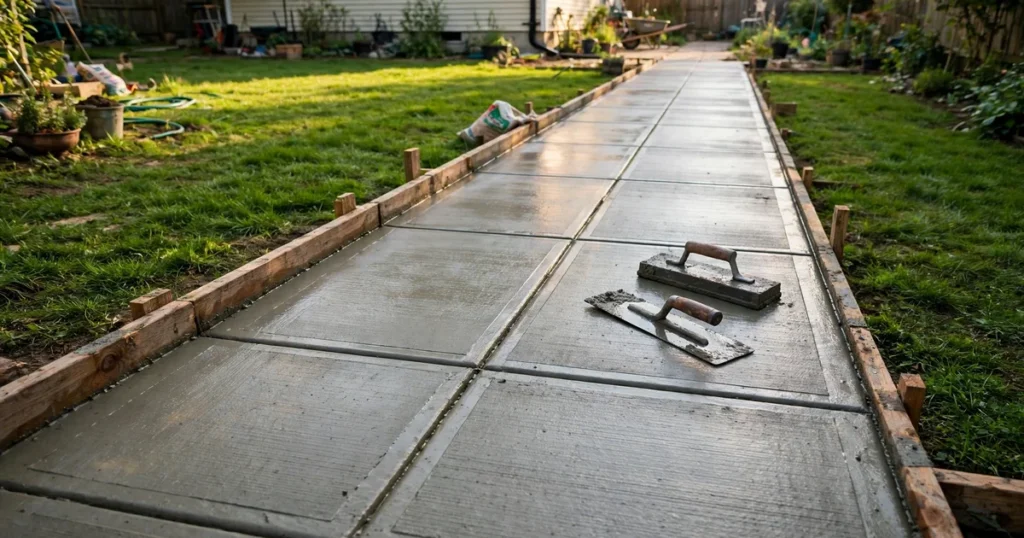
How thick should a concrete walkway be? Code-backed answer: 4 inches for foot traffic, 6 to 7 inches where vehicles cross, plus jointing, subbase and mix specs.
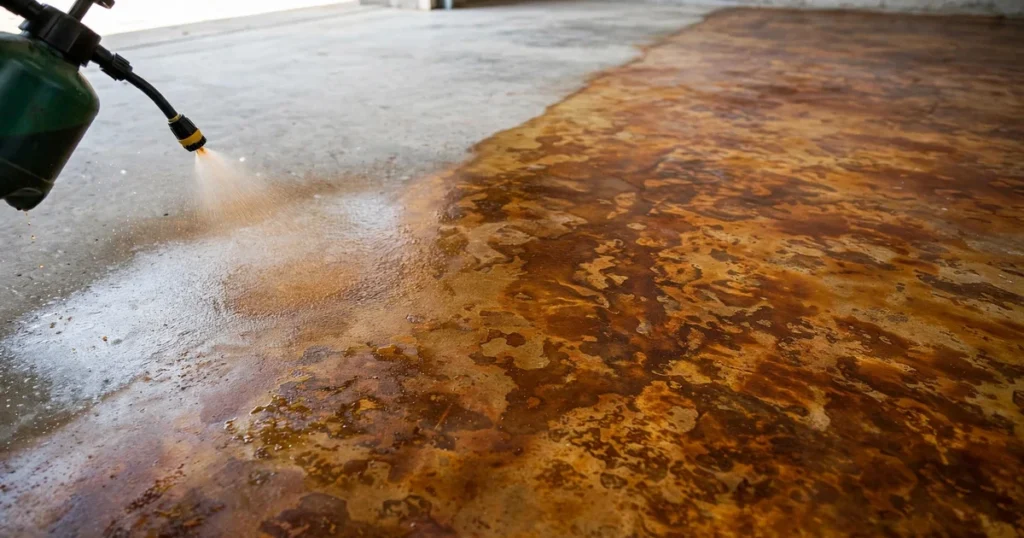
Acid vs water-based concrete stain compared, with coverage rates, step-by-step application, the neutralisation ratio conflict explained, and why sealer peels. Test patch rules, sealing limits and FAQs.
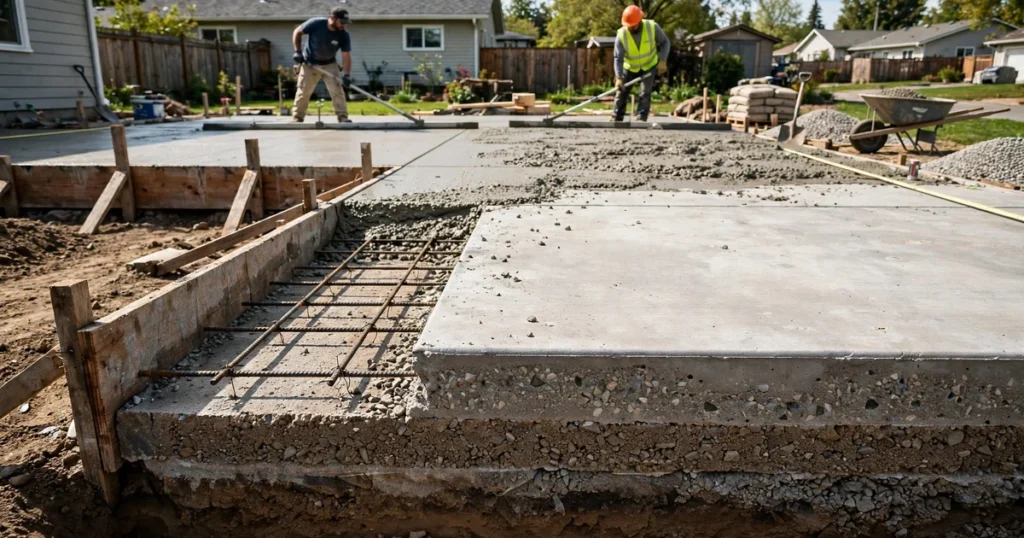
How thick should a concrete patio be? 4 inches is the standard; 3.5 inches is the IRC code minimum. Worked volume maths, joint spacing rules and base checklist.
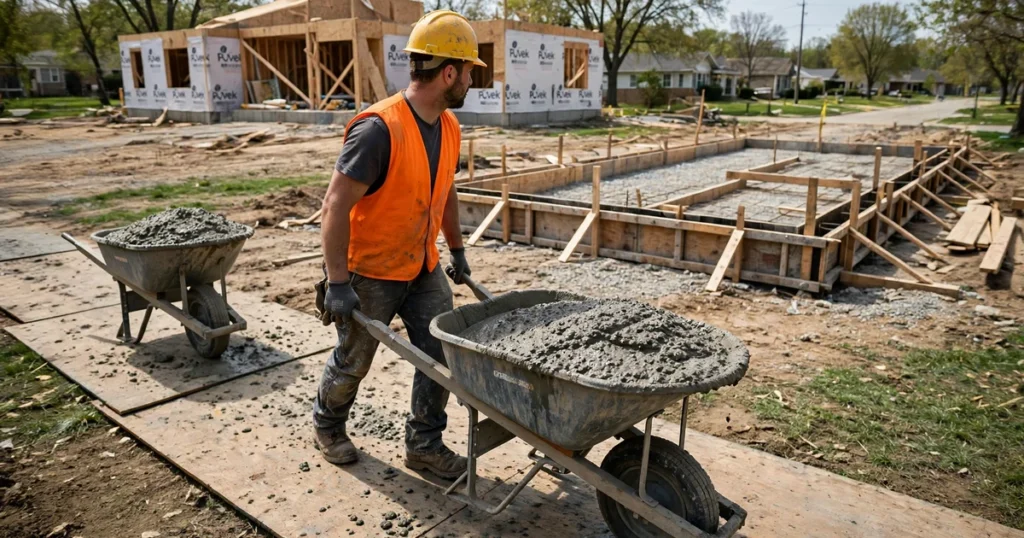
One cubic yard of concrete takes about 14 standard wheelbarrow loads. See loads by barrow size, why practice differs, and how to plan your pour day.

Spalling concrete can be repaired if the method matches the damage depth. Assess the damage, pick resurfacer or repair mortar, and resurface step by step.